Keep up to date with all things caravanning
Best Way to Heat a Caravan
April 27, 2026
A reliable and efficient heating system in a caravan is important for year round travel, particularly when venturing into cool climates. Luckily, there are plenty of caravan heaters to choose from including gas, diesel, electric and reverse cycle. Deciding on the best way to heat your caravan depends on whether you are travelling off the beaten track, visiting alpine regions or staying in powered caravan parks. The size of the caravan, your budget and even insulation will also need to be considered when finding the perfect heating solution for your travels.
What is a Caravan Heater?
A caravan heater is a heating system designed to warm the inside of a caravan during cold weather. They generally work by converting fuel like gas or diesel into heat which is circulated through the caravan via ducts or a hydronic system. The main types of heating systems for caravans are blown air or wet central heating. With blown air, warm air is circulated through the caravan ducts, radiators or pipes into the caravan interior. Wet central heating, or hydronic heating, is similar to the central heating system you find in homes. It usually includes a boiler that heats the water using gas or electricity. The heated water is then circulated through pipes via radiators in the living area of the caravan. Wet central heating acts as a combined hot water system and space heater.
Types of Caravan Heaters
The most popular type of caravan heater is usually gas or diesel, although electric and reverse cycle heaters are also widely used. While wet central heating is not considered the most common choice for heating, it is sometimes found in custom built caravans. Combined systems like the Truma Combi are becoming popular with some versions running on diesel or gas. The main types of caravan heaters are:
Gas Heaters For Caravans
Gas heaters in caravans usually connect straight to your gas bottle and burn either propane or butane gas to generate heat. The gas flows via a regulator or hose from the cylinder to the heater. It ignites in a burner and the resulting hot air is then distributed through the caravan through ducts. Gas heaters have a flue that goes through the wall of the caravan, allowing for the safe ventilation of exhaust gasses.
Pros of gas heaters
- Convenience: Most caravans have a gas system already set up for cooking and water heating so the gas is already installed, making it easier to add the heater.
- Quiet operation: Gas heaters are extremely quiet with the only noise from the fan.
- Low maintenance: Gas heaters require very minimal maintenance compared to diesel heaters as they have fewer moving parts.
- Low cost: Gas heaters have a lower upfront cost than diesel heaters.
- Independent operation: Gas heaters will operate without the vehicle’s engine needing to be running. This independent operation means you can enjoy warmth at any time even when the vehicle is stationary.
Cons of gas heaters
- Less fuel efficient: Gas heaters tend to be less fuel efficient than diesel heaters. Although gas heaters have improved, they still need more fuel to produce the same amount of heat compared to other heaters.
- Professional installation: Gas heaters require professional installation by a licensed gas fitter in accordance with gas regulations. There are specific regulations that need to be taken into consideration when installing a gas heater, including restrictions of flues being installed too close to doors or windows, or other gas appliances.
- Gas requires regular refilling: Gas heaters do require regular refilling which can be difficult if you are travelling to remote areas with limited gas supplies. The cost to refill with gas can also become very expensive, potentially making the gas heater cost more in the long term.
- Can cause condensation: Gas heaters produce significant moisture during combustion which can lead to condensation, dampness and mould in caravans.
Types of Gas Heaters for Caravans
Truma VarioHeat Eco
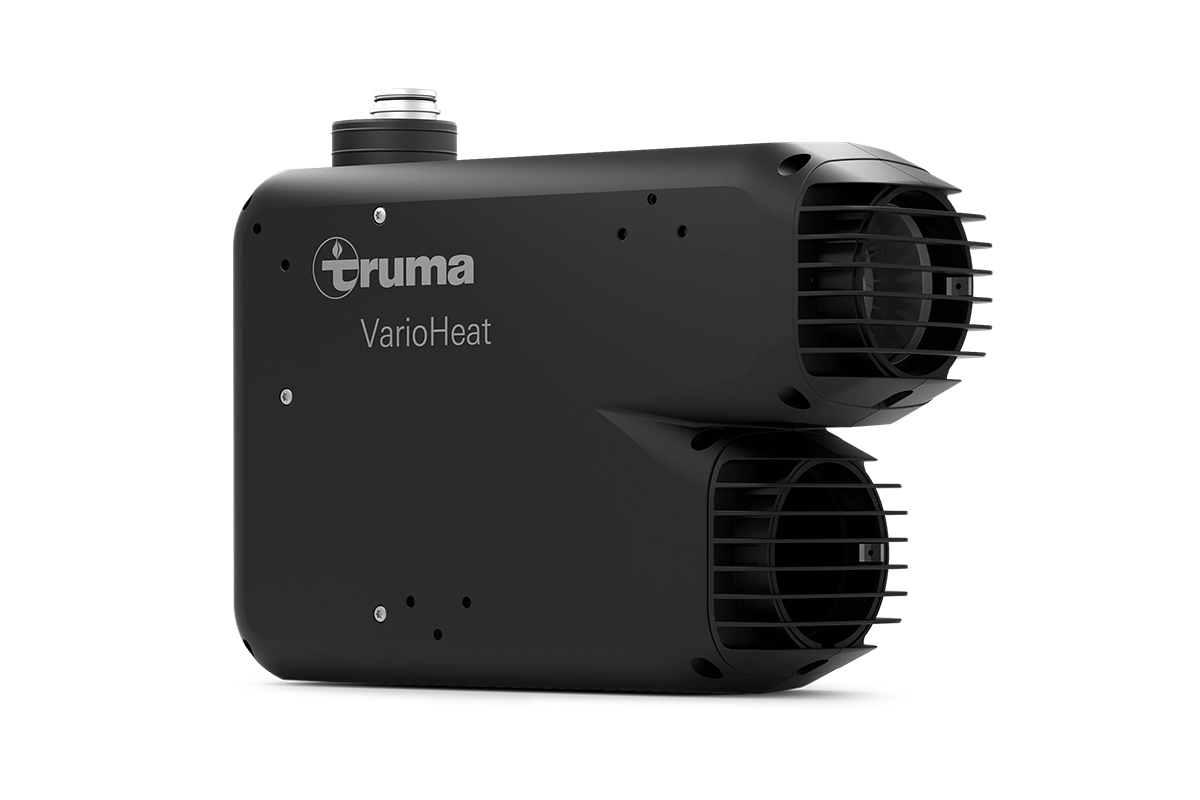
Image: Truma VarioHeat eco
The Truma VarioHeat Eco uses butane or propane gas, and has multiple fan speeds and heat settings, providing much better temperature control in the caravan than most other gas heaters. It is regarded as a very powerful caravan heater with reviews that it heats to the required temperature very quickly. It is also known for its compact size and quiet operation.
Diesel Heaters For Caravan
A diesel heater for a caravan is a heater that uses diesel fuel to warm the interior of the van. Through the process of diesel combustion, the air heats up quickly. Once the air is heated, it is then distributed through the interior of the caravan with a fan.
Pros of diesel heaters
- Efficiency: Diesel heaters are extremely energy efficient, using much less fuel to provide warmth to the caravan compared with an equivalent gas-based system.
- Less expensive to run: As diesel heaters use less fuel to heat the caravan, they cost less to run as less refilling is required.
- Availability: Diesel is often considered to be more available than gas. This is important, particularly when travelling to remote areas.
- Consistent clean and dry heat: Diesel heaters are widely recognised for consistent, dry and clean heat. This makes them a superior option for reducing condensation in enclosed spaces like caravans. Unlike gas heaters which produce moisture during combustion, diesel heaters use a sealed system that keeps moisture away.
- Flexible installation: Diesel heaters are easier to install than gas heaters as they have an exhaust that goes through the floor instead of a flue in the wall like gas heaters. Diesel heaters do not require a qualified tradesman for installation, however it is important anyone installing one has good DIY skills and knowledge of heating systems.
Cons of diesel heaters
- High maintenance: Diesel heaters require more maintenance than gas heaters. The units need to be serviced regularly, including flushing the fuel lines.
- Ventilation requirements: Diesel heaters must have adequate ventilation to operate safely. Without the right amount of ventilation it can lead to health issues.
- Require a diesel tank: For those without a diesel tank, a diesel heater will become a costly venture as a whole diesel fuel tank will need to be purchased and installed.
- Loud operation: Diesel heaters can be louder than gas heaters, and potentially disrupt sleep if operating during the night.
Types of Diesel Heaters for Caravans
DH15 Diesel Combi
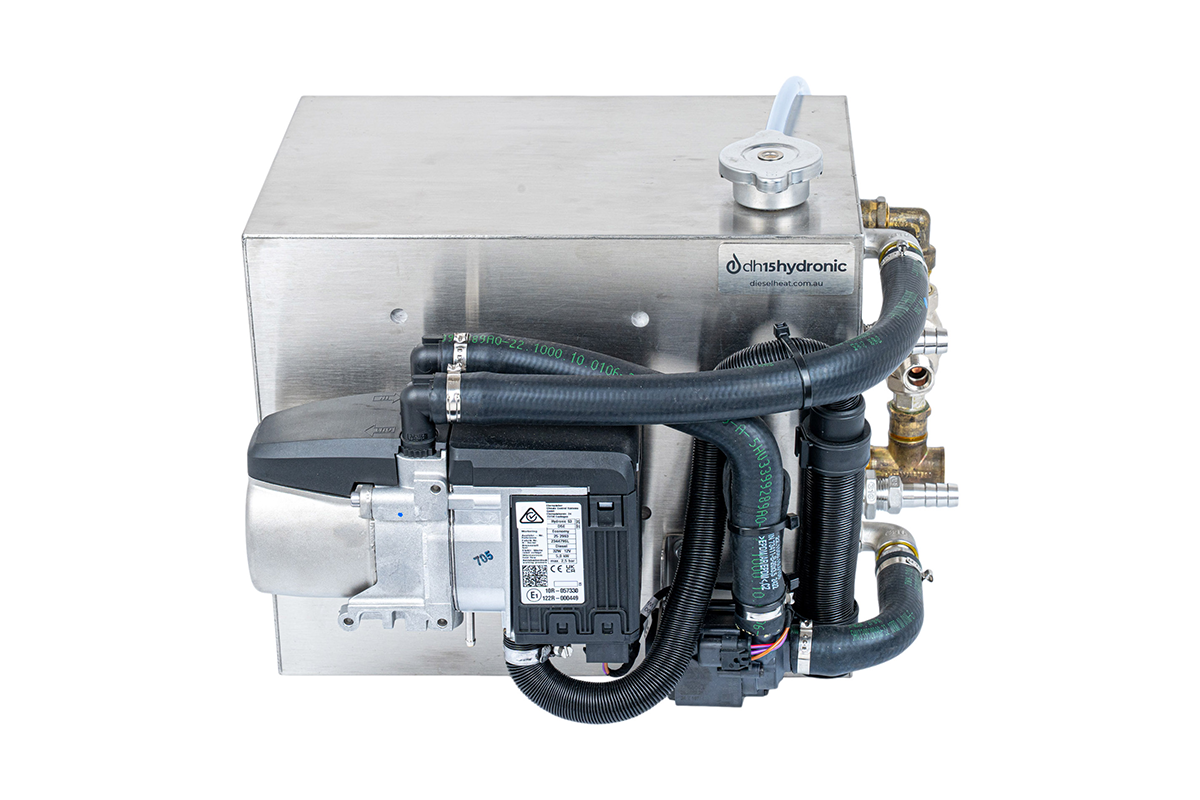
Image: Diesel Heat DH15 Duo
The DH15 Diesel Combi provides both hot water and heating, and is increasingly popular for Australian caravans. This high performance, diesel powered heating system is designed for caravans, motorhomes and boats. It is designed to eliminate the need for LPG for water heating and offers an off-grid and fuel efficient alternative.
AU Focus Caravan Diesel Heater12V 2kW
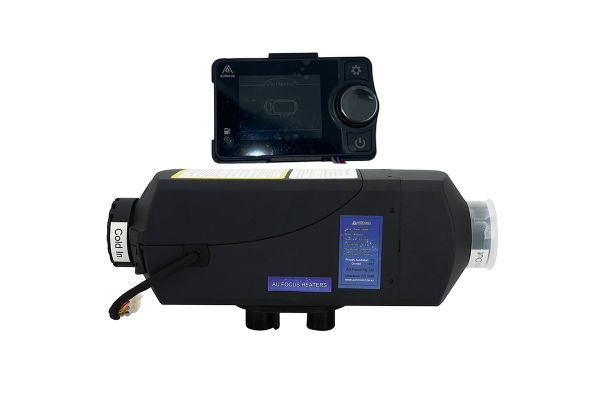
Image: AU Focus Diesel Heater 12V
AU Focus manufactures a range of diesel heater kits for RVs, including 2kW Bluetooth diesel heater kits, 5kW Bluetooth diesel heater kits, and all-in-one diesel heaters. They are designed for Australian conditions and are increasingly being used by caravan manufacturers and retailers.
Eberspacher D4L (12V)
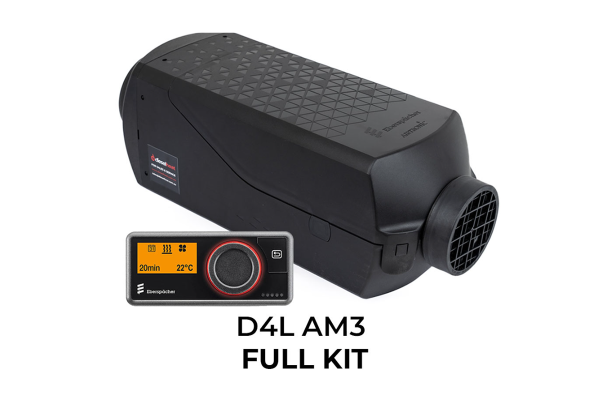
Image: Eberspacher D4L 12V
Eberspacher has the reputation of being the ‘Mercedes Benz’ of diesel air heaters. One of the newest diesel heaters in the range, the D4L heater includes a comprehensive installation kit and a huge 4kW of heating power. Eberspacher is known to be quiet, reliable, and have the best altitude performance.
Electric Heater For Caravan
Electric heaters for caravans use electricity to generate heat throughout the interior of the van. Methods to generate heat in a caravan include using electric elements to heat air directly, or through a heat pump system in the case of reverse-cycle air conditioning. Electric heaters are usually used as supplementary heaters to other main heating systems like gas or diesel.
Pros of electric heaters
- Reverse cycle capacity: Electric reverse cycle heaters offer both heating and cooling and are an energy efficient option.
- Quiet operation: Electric heaters tend to be one of the quietest types of heater, compared to diesel and gas heaters.
- No emissions: As electric heaters do not rely on a fuel source, there are no emissions and so ventilation is not as important for safety.
- Excellent supplementary heating source: Electric heaters, particularly portable heaters, are an excellent backup heat source for more permanent caravan heating. They are perfect to just take the chill out of the air, rather than rely on a specific temperature for heating.
- Solar power compatibility: An electric caravan heater can be run on solar power which makes them flexible and energy efficient. If you are travelling remotely, this is potentially a more reliable energy source than gas or diesel.
- Easy to use: Electric heaters, like space or portable heaters, are extremely low maintenance and easy to use. Just plug them in and switch them on.
Cons of electric heaters
- Large power consumption: Electric heaters tend to be power hungry and can use a significant amount of energy, particularly if used over long periods of time or in extreme cold conditions.
- Requires power source: Electric heaters require electricity so may not always be the most suitable choice for heating, particularly in remote locations or on extended trips.
- Dry air: Electric heaters often distribute a dry heat which can dry out the air and possibly cause respiratory discomfort.
- Expensive: Electric heaters can be more expensive to purchase and run than gas or diesel heaters.
Types of Electric Heaters for Caravans
Dometic Freshjet 7 Series Pro
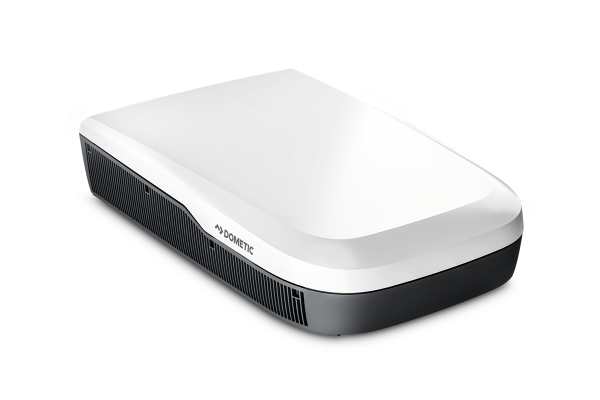
Image: Dometic Freshjet 7 Series Pro
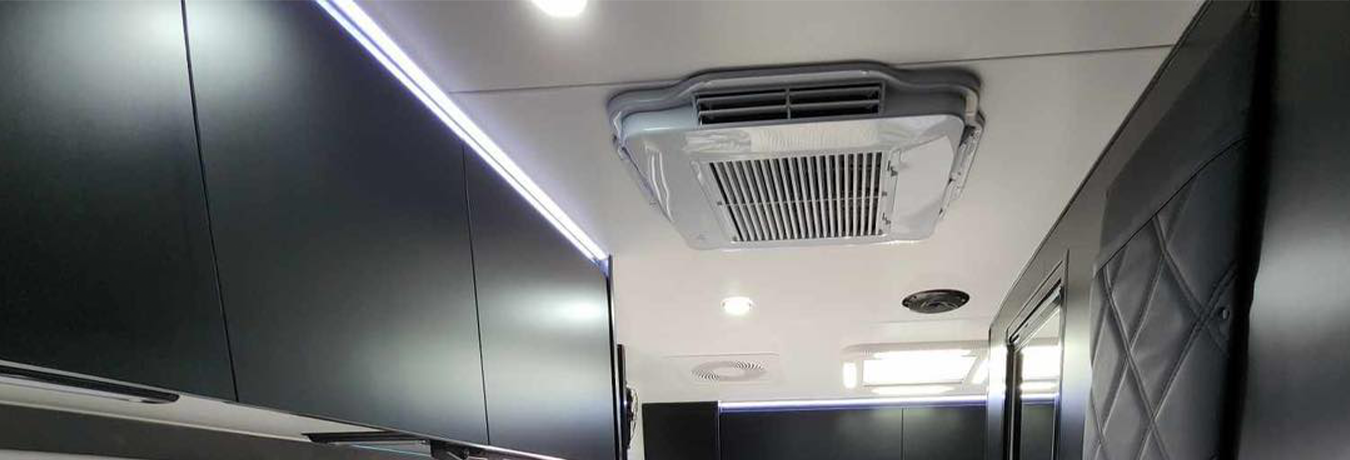
This electric reverse cycle air conditioner and heater is mounted on the roof of the caravan. Reverse cycle air conditioners and heaters, also known as heat pumps, work by transferring heat rather than generating it, making them energy-efficient, especially in mild to moderate climates. The Dometick Freshjet 7 Series will heat a caravan interior up to 6 metres with a heating capacity of 2692W.
How To Choose The Best Caravan Heater
There is no one-size-fits-all approach when it comes to the best caravan heater. The right one for you will depend on a range of considerations like the caravan size, travel destination, your budget and desired fuel source. To choose the best caravan heater, take these factors into account:
- Caravan size: The size of your caravan will directly correlate with the size of the caravan heater you choose. You will want a heater that has the capacity to heat the interior of the caravan. Small caravans (up to 24 feet) can be heated sufficiently by a 2kW heater. Medium to large caravans over this measurement will probably need a 4 to 6kW heater. If the caravan has an open floor plan, it may need a slightly larger heater.
- Type of fuel: The type of fuel you prefer will impact the caravan heater you choose. The right fuel type will depend on availability, location, climate, cost, energy efficiency and safety issues. If you are concerned about emissions, choosing an electric heater may be the best option. For those who want lower costs, diesel heating is often preferred.
- Travel destination: Where you travel to will impact the type of heater you choose. If you are going to a cold destination, you will want the strongest and most reliable type of heater like central heating. For warmer climates it will be unlikely you will require much heating so a small portable electric heater would be ideal. If you are staying in caravan parks, the best heater is typically a reverse cycle air conditioner which can run off the site’s 240V mains power.
- Budget: The cost of the heater may be an important factor in your choice. Typically, diesel heaters are thought of as the most cost effective option for heating. They often cost less to purchase and their high efficiency means running costs are less.
- Caravan insulation: If you have good caravan insulation, you may not need a strong heating system to maintain comfort in colder months. However, if your caravan insulation is lacking, a stronger and more powerful heater will likely be required.
There are a myriad of choices for caravan heating and it is important to choose the right one for your needs. In order to help you choose the best caravan heater, we have listed the different options including gas, diesel and electric, and factors to consider when making your choice. When considering the best type of caravan heating, contact the experts at Canterbury Caravans.