Keep up to date with all things caravanning
Speed Limit for Towing a Caravan
April 27, 2026
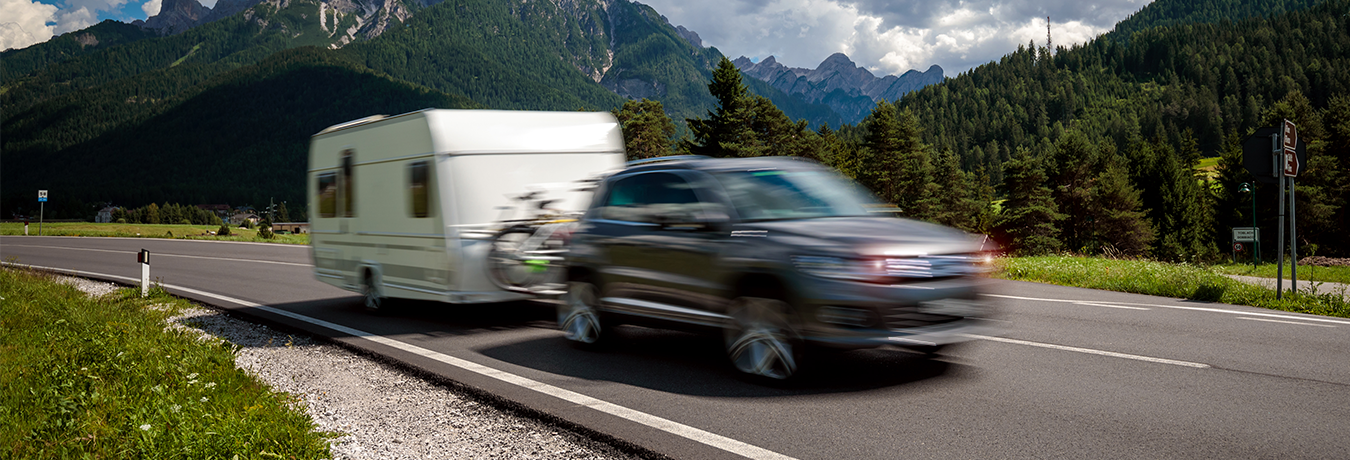
When setting out on the open road for a caravanning adventure, it is important to understand the maximum legal speeds for towing. Adhering to these limits is crucial for safety and to avoid fines and demerit points. Whether you are an experienced caravanner or beginner it is essential to understand that towing rules vary from state to state.
It’s important to note that road rules and towing regulations are subject to change. Always check with your relevant state or territory road authority for the most current information before heading out on your next journey.
Towing Speed Limits State by State
Across Australia, towing speed limits can vary depending on which state you are in, the caravan’s weight and road conditions. If travelling interstate in your caravan it is important to understand the speed limits to ensure a safe and legally compliant journey. The speed limits of each state or territory are listed here.
Towing Speed Limit in Victoria (VIC)
In Victoria, the maximum speed limit of 110 kilometres per hour for vehicles applies to the towing speed limit. Drivers must obey the speed limits posted on the road signs and are advised to ‘drive to conditions’. Towing a heavy load like a caravan affects the way a car handles so drivers need to take into account road conditions and the weight they are towing. A learner driver cannot tow a caravan in this state.
Towing Speed Limit in New South Wales (NSW)
The speed limit for towing a caravan in NSW is usually the posted limit of 110 kilometres per hour. However, NSW drivers have further restrictions to adhere to. There is a maximum speed limit of 100 kilometres per hour for vehicles with a combined gross vehicle mass or gross combination mass over 4,500 kilograms. As in Victoria, learner drivers are not allowed to drive a car with a caravan.
Towing Speed Limit in Queensland (QLD)
In Queensland, drivers are required to adhere to the posted speed limits, and are expected to adjust their speed according to the road conditions and weather. Unlike Victoria and NSW, learner drivers are permitted to tow a caravan. However, their L plates must be clearly displayed on the back of the caravan.
Towing Speed Limit in Western Australia (WA)
In Western Australia the maximum speed limit for towing a caravan is 100 kilometres per hour. It is recommended that drivers take into account road conditions, visibility and the vehicle’s handling abilities when choosing the right speed to drive. In Western Australia, learner drivers are legally allowed to tow a caravan under certain conditions as long as supervised by an experienced driver.
Towing Speed Limit in South Australia (SA)
In South Australia, it is legal to tow a caravan at the posted speed limits. In spite of this, it is recommended that drivers pay attention to the road conditions and how well the vehicle handles the weight of a caravan when choosing the speed limit. Learner drivers are permitted to tow a caravan as long as the combined gross vehicle mass or gross combination mass does not exceed 4,500 kilograms.
Towing Speed Limit in Northern Territory (NT)
In the Northern Territory there is no specific speed limit when towing a caravan other than following the posted limits on road signs. Learner drivers are allowed to tow a caravan as long as their L plates are displayed on the back of the caravan.
Towing Speed Limit in Tasmania (TAS)
Tasmania does not have specific towing speed limits apart from those posted on road signs. This applies only to vehicles with a gross vehicle mass under 12,000 kilograms. L-platers in Tasmania are not legally allowed to tow a caravan.
Towing Speed Limit in Australian Capital Territory (ACT)
As with other states, drivers in the Australian Capital Territory must follow the posted speed limits on road signs but adjust their driving and speed to suit conditions. Learner drivers can tow a caravan as long as its gross vehicle mass weight does not exceed 750 kilograms although there are very few caravans that will fit that specification.
Why are Speed Limits Important When Towing?
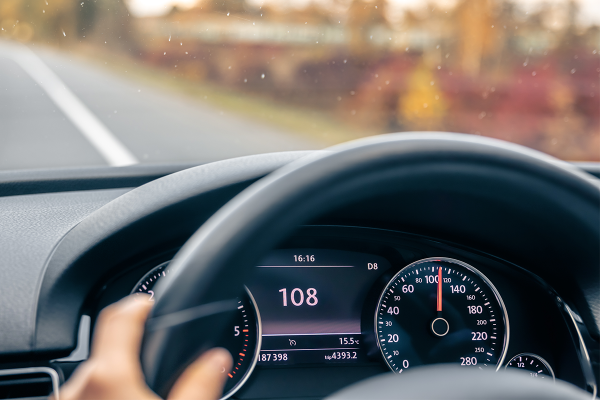
A vehicle towing a caravan is heavier and harder to control, so it is essential not to exceed these limits. Speed limits are imperative for safety on the road, to ensure control of the vehicle and caravan, and even ideal for fuel efficiency.
- Safety: Following caravan towing speed limits ensures the driver can have more control over the vehicle and avoid accidents. Vehicles with caravans are heavier and harder to manoeuvre. They require a longer stopping distance than a vehicle alone due to increased inertia and reduced braking efficiency. Towing speed limits help drivers handle and stop the caravan. A caravan and vehicle driving at 100 kilometres per hour will take longer to stop than a solo vehicle travelling at the same speed. By following the speed limit guidelines, drivers can make sure the caravan journey is safe.
- Control: When a caravan is being towed at an excessive speed, it can cause it to sway, which can potentially lead to loss of control of the vehicle. Travelling at a safe speed when driving a car with a caravan behind it allows you more time to stop suddenly.
- Rules and regulations: Speed limits are essential for legal compliance when towing a caravan. Exceeding any of the speed limits is not only unsafe, but can lead to fines and potential voiding of insurance or warranty claims. In some cases, excessive speeding can lead to licence suspension. If an accident occurs when speeding, insurance companies may deny any claims, leaving the driver financially responsible.
- Fuel efficiency: Driving at a steady speed and obeying the speed limits is better for fuel efficiency. When towing at a high speed, it increases the aerodynamic drag, forcing the engine to work harder and consume more fuel.
Speed Management Tips When Towing
Towing a caravan is significantly different to driving a solo vehicle. They are larger, heavier and have a higher centre of gravity which makes it difficult to manoeuvre and control. The following tips can help you manage your speed when towing a caravan.
- Know the speed limits: Make yourself aware of the speed limits in each state when towing a caravan. You can do this online by visiting the state or territory’s transport or roads authority websites where the information on speed limits is published. You can also pay attention to the road signs.
- Maintain safe following distance: As it takes longer to stop a vehicle that is towing a caravan, maintain a safe distance when following another vehicle. Aim for a distance of about a four second gap behind the vehicle front. This translates to about 100 metres if you are driving at a speed of 100 kilometres per hour, and leaves enough room and time to brake safely.
- Set cruise control: Cruise control can help with maintaining a consistent speed or not going above the speed limit when towing. Be careful with cruise control if conditions are not ideal or there are potential hazards on the road.
- Reduce speed: Sometimes it is advisable to reduce your speed by 5km to 10km under the posted speed limit. This helps with maintaining control over the caravan and keeping speed to a minimum.
- Slow downs on curves and descents: Reduce your speed when descending or driving on curvy roads.
- Be weather aware: Be aware of any unsettled or extreme weather conditions. Reduce your speed in the event of heavy rain, snow or windy conditions.
- Be aware of other drivers: Always be aware of other drivers and make sure you always use your indicators and let drivers know what you are doing. Be mindful of letting drivers of solo vehicles pass you in overtaking lanes which may mean slightly reducing your speed to let them go past.
- Don’t drive too slow: It is important to maintain a safe speed when towing a caravan but you also don’t want to drive too slow as this can create hazards for other road users. When a caravan is driving too slow, it can impede the flow of traffic and cause other drivers to become impatient. This may lead to dangerous overtaking and possible accidents.
Towing speed limits are enforced to ensure road safety and stability of a vehicle and caravan combination. While there are certain national guidelines, specific regulations tend to differ between states and territories. It is essential to understand these specific variations for safety and compliance when towing a caravan. For further information the team at Canterbury Caravans are there to help.